
Healthy— from the Bladder Up
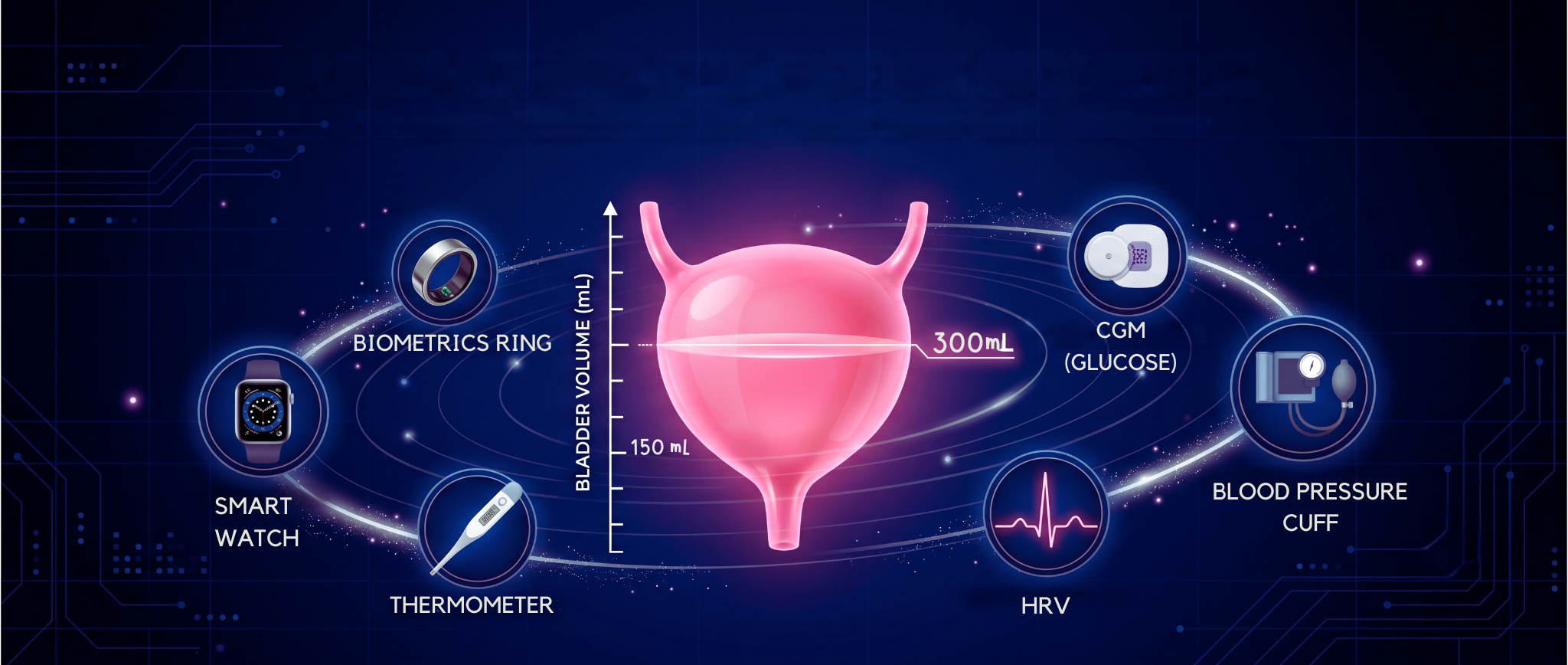
UNEARTHING THE HIDDEN BIOMETRIC
The power of bladder biometrics. Central to your health intelligence.

Everyone has a bladder.
It just didn’t come with instructions.


Bladder Biometrics™ are the instructions for healthy people who want to know how their bladder sends information about whole-body health. Like the numbers you already trust — HRV, oxygen, sleep — your bladder is full of information.
And the bladder is unique because it directly interacts with us multiple times a day, but many people don't understand the messages. After many years as a urologist, that's what I set out to change. The bladder is a vital sign, hiding in plain sight.
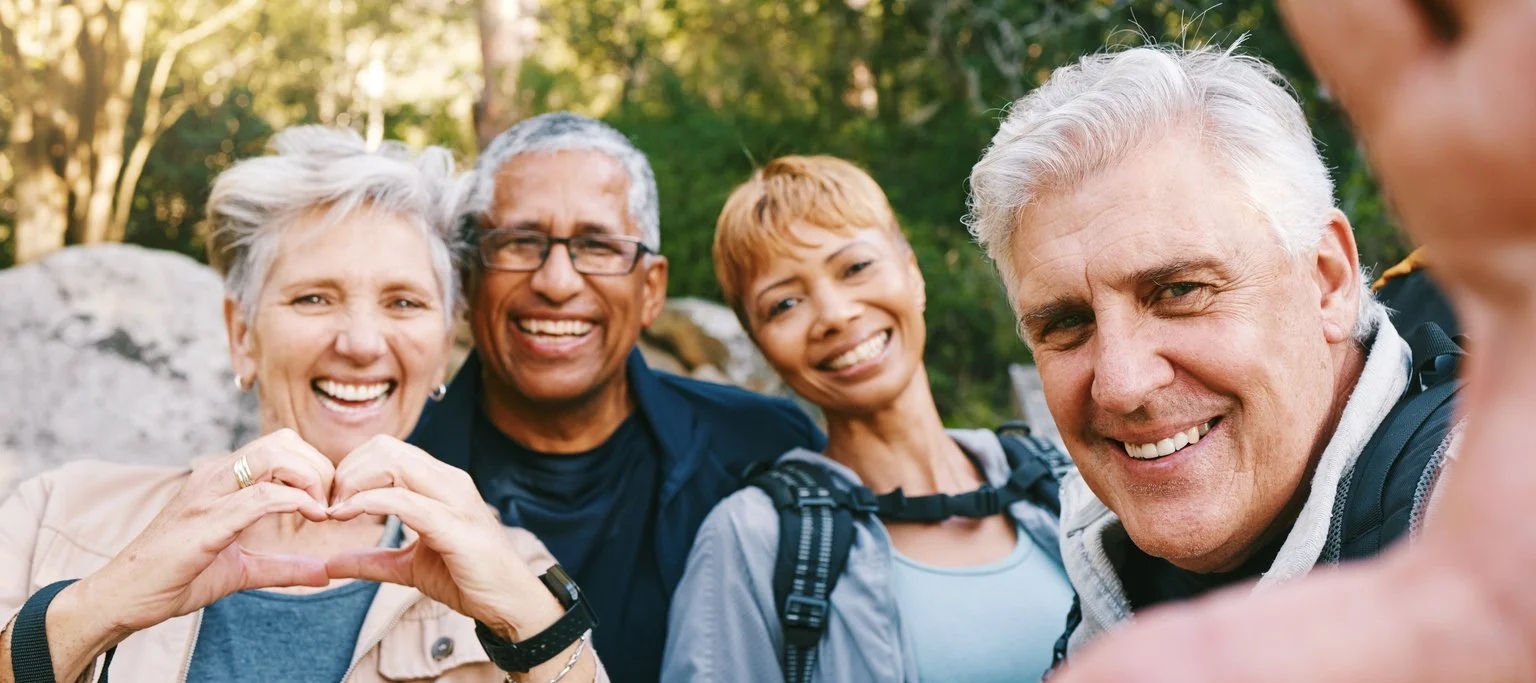
If you're curious, an optimizer, or healthy with some minor bladder signals and want to learn, this is the right place!





The First Bladder Classification
For Healthy People
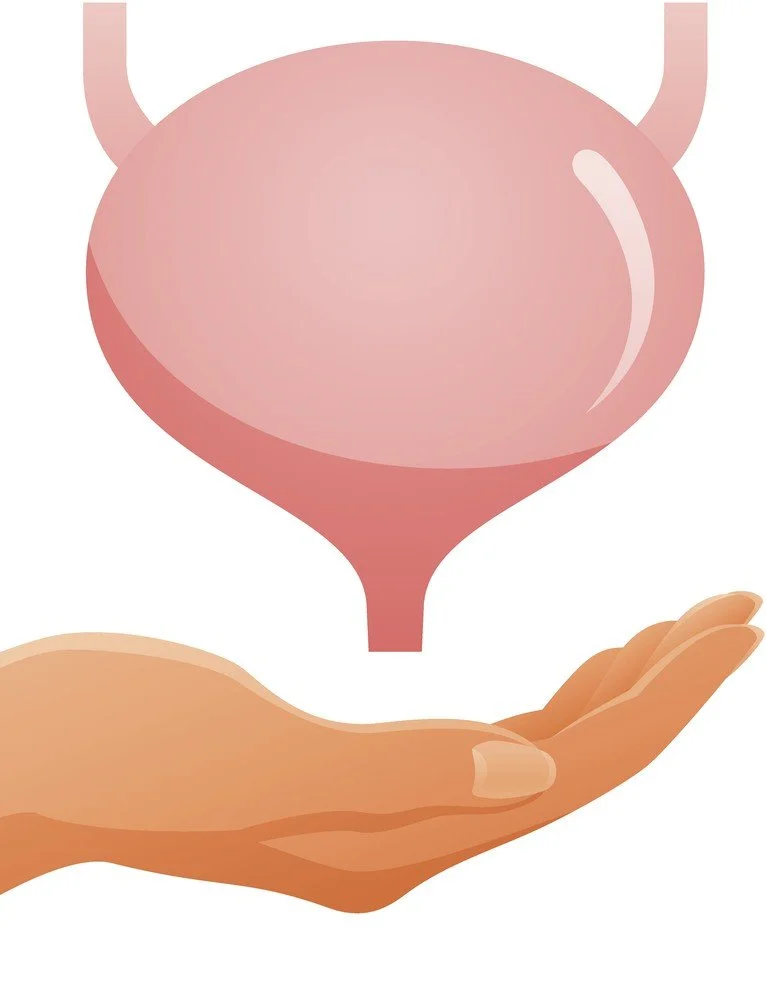
It was always important to include healthy people in bladder conversations. Yet, no terminology includes people with a generally healthy urinary system. And although wearables score our sleep every day and people without diabetes monitor their glucose, the bladder is treated as a mystery. Yet, our bladders provide daily clues about sleep, nutrition and metabolic health. The bladder belongs in your biometric health portfolio as critical player. It also happens to be an easy read compared to other biometric data.
I created the 3 bladder types to provide visibility to the majority of people who, while they don’t have a “diagnosis,” deserve to have access to this important biometric. See which one feels most like you. Once you know your bladder type, you are officially included in those of us who value bladder health and care for it early and often. Because we are in it for the long game.
“After years of urology practice, I think think of bladders as three different types.”

What’s Your Bladder Type?
-
You don’t worry about bathrooms on road trips. Movies, happy hour and music festivals are a breeze for you. Sleep is never interrupted by your bladder.
But since you track sleep, glucose, HRV, workouts and nutrition you’re curious about where the bladder could fit for you. It’s curiosity only and knowing your normal would be awesome. And you know you want your whole body to stay healthy—if your bladder is sending clues, you want the intel!
-
It might be after coffee or if you occasionally need to hurry to the bathroom during happy hour. Here and there you might wake up to pee—nothing disruptive. You generally pay attention to your health and what you are eating so the signals track to things that mostly make sense.
Sometimes you might wonder “is this normal?” But it doesn’t matter, because if it bugs you at all, it’s only sometimes and you feel normal.
-
Some may have been born with bladder challenges, be on medication or maybe they had prior bladder surgery.
Regardless, with a type 3 bladder, people know something is off and are definitely bothered. This isn’t a theoretical issue—it’s real and it’s more than just coffee. People in this category might use a catheter, leak or feel like their bladder is in control of their life.
Bladder biometrics and awareness can still help! The urologist is often busy deciding if people in the type 3 category need surgery. But not everyone wants surgery! A person in this group can still benefit from learning about their bladder function and demystifying the whole thing on their terms.
It’s Not Just About Bladder Type & Function
Work Environment and Your Bladder Health

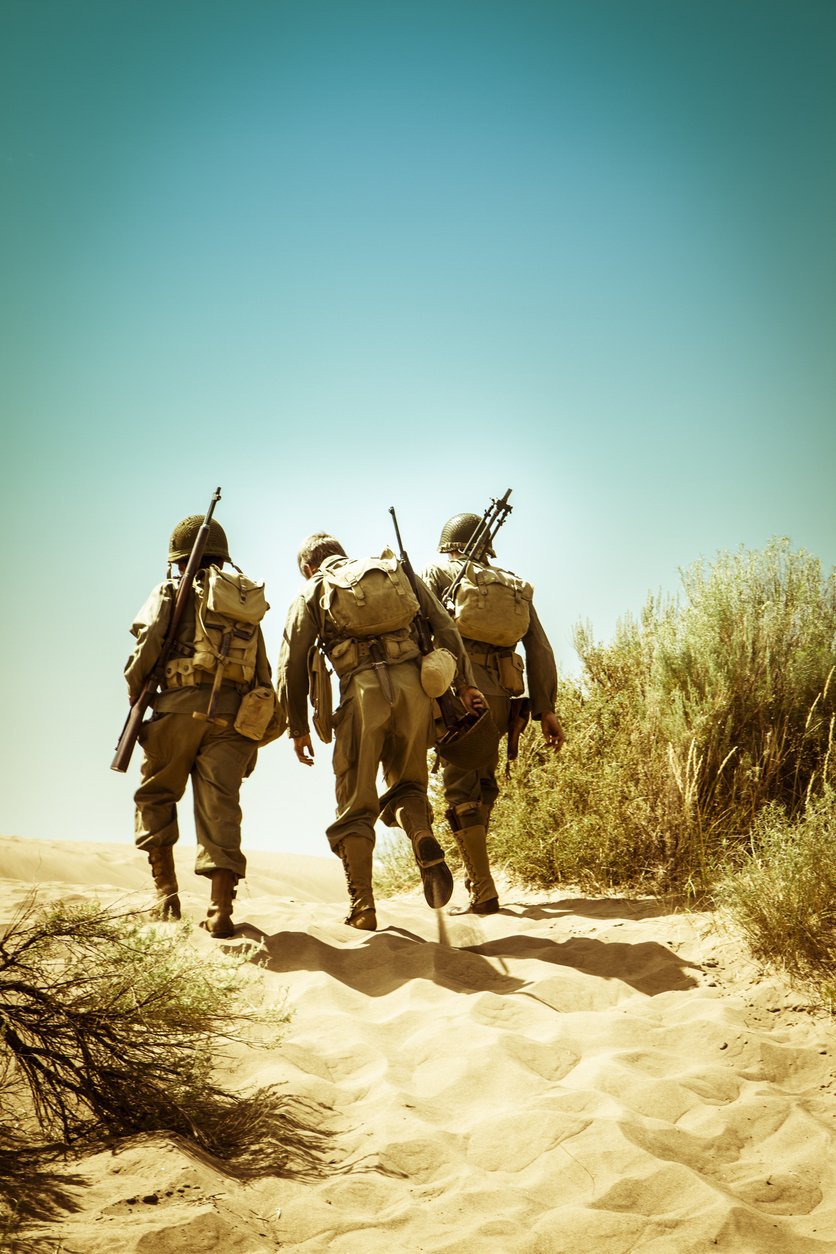

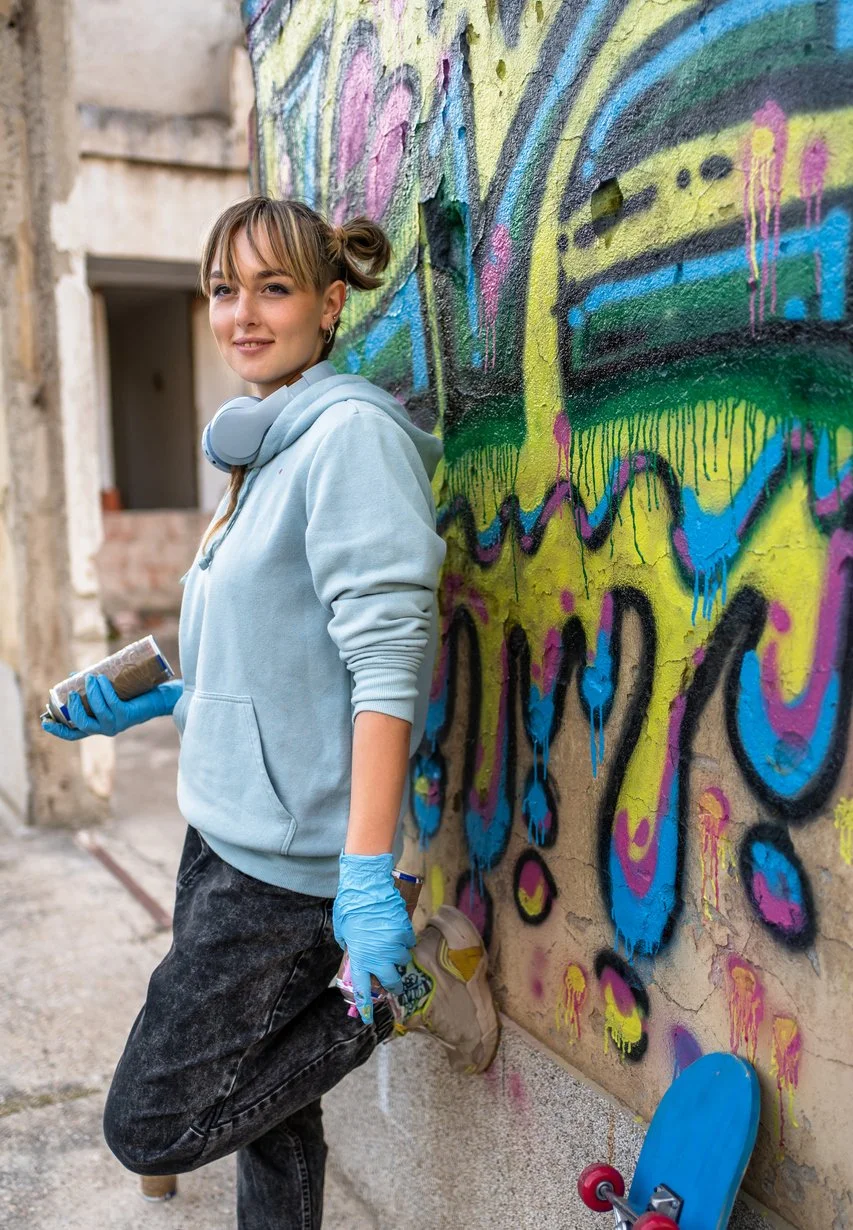
The workplace can have various impacts on the bladder. This can be from toxins encountered during military work or in the lifesaving work of firefighters. There are certain jobs where bathroom access is limited like war zones, intense military training zones, doctors in surgery, nurses on shift and teachers.
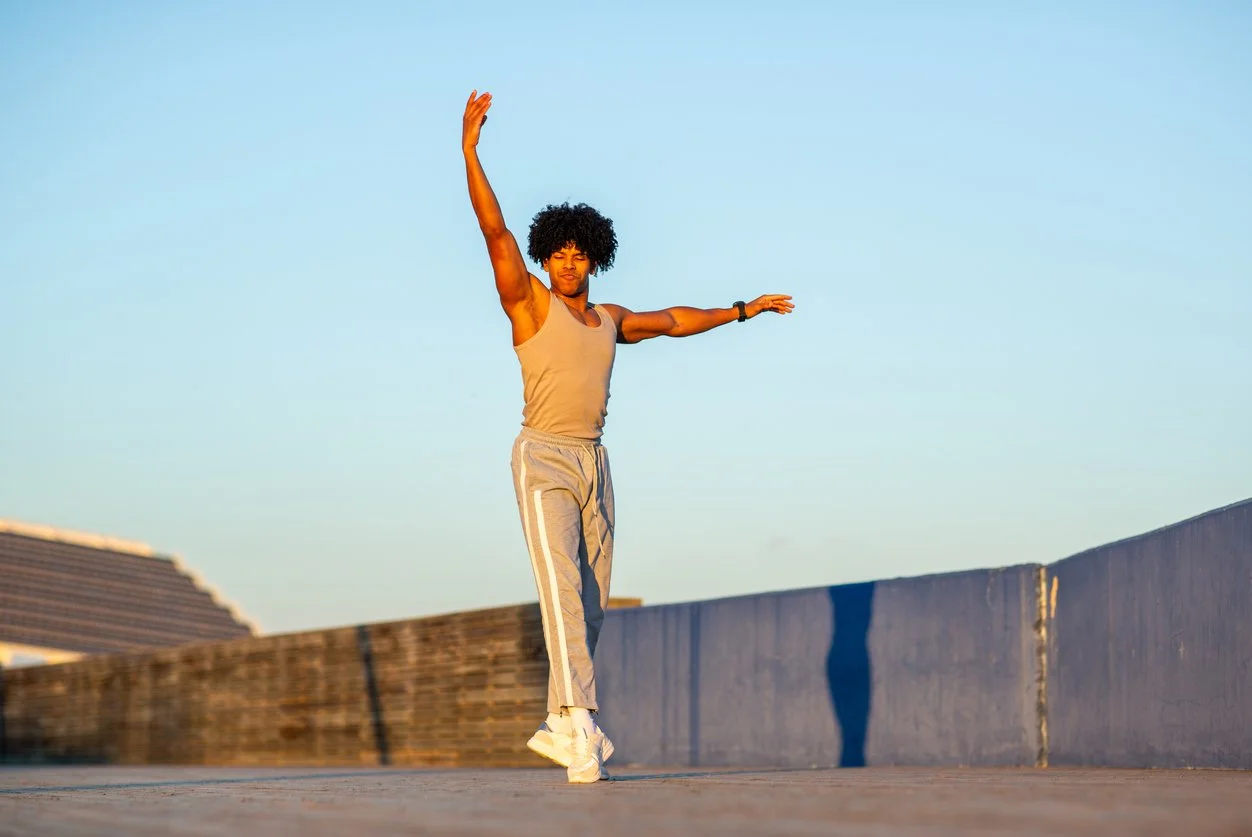
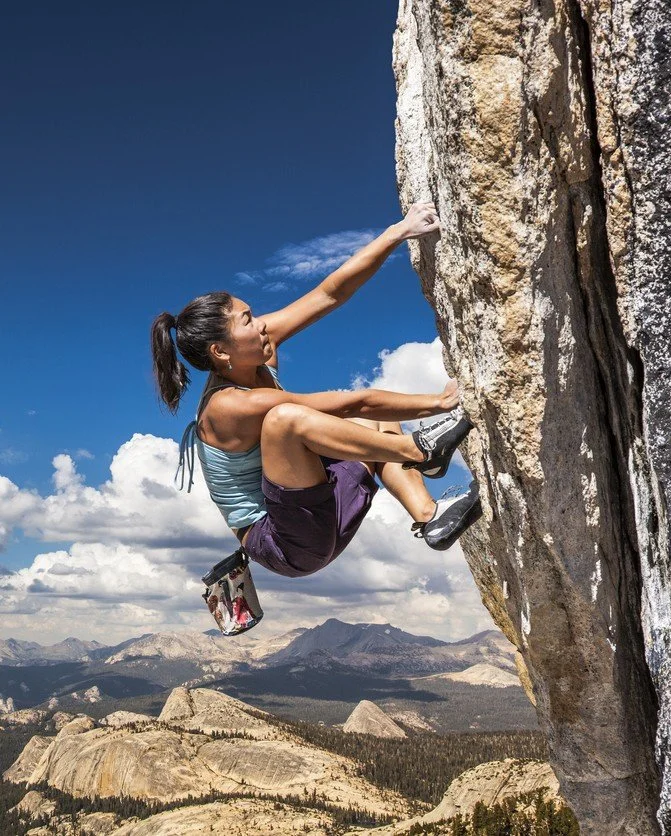
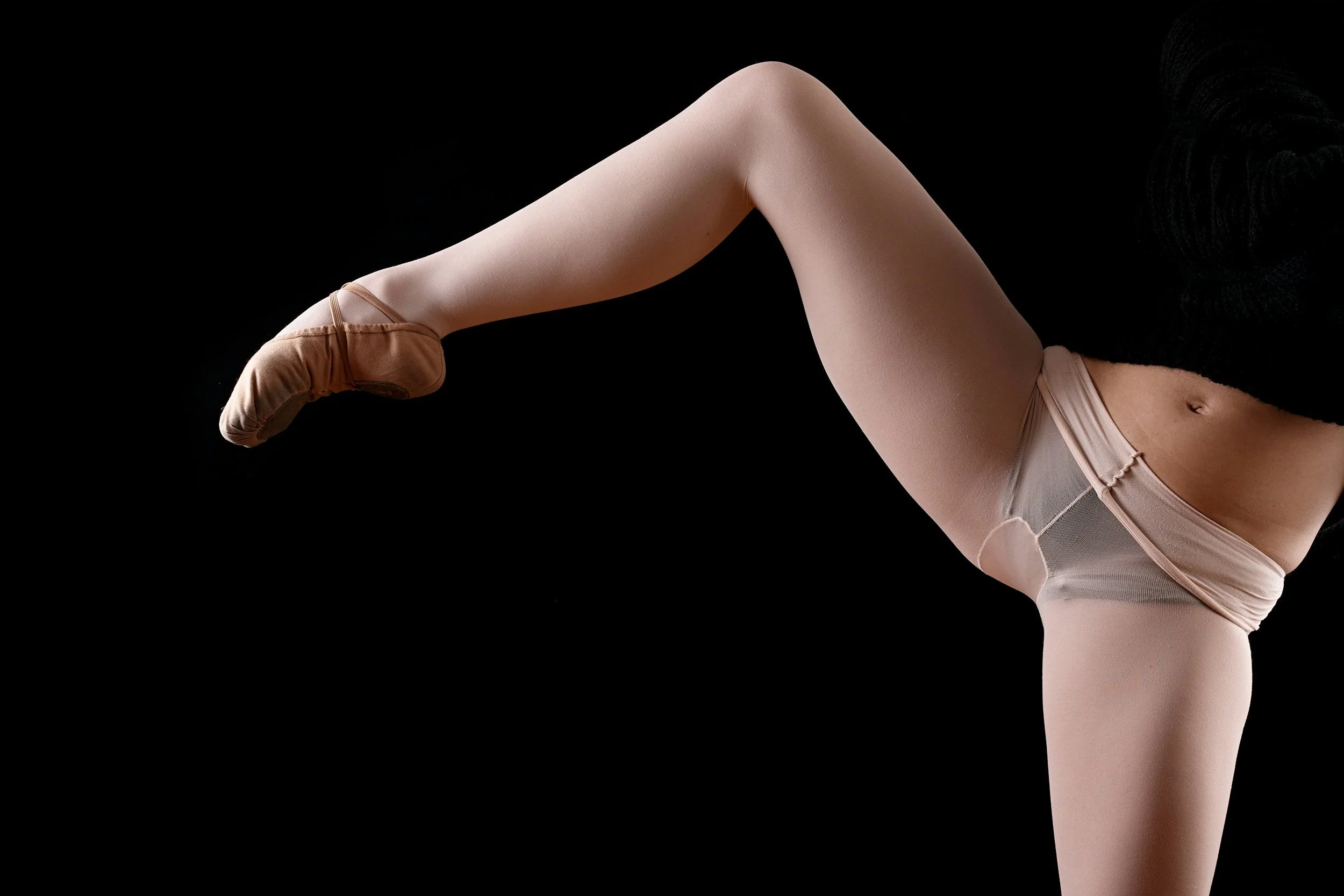
In addition, there are some sports liked competitive horseback riding and forms of dance that can be hard on your pelvic muscles and bladder. Competitive or professional dancers, skaters and gymnasts can deal with bladder challenges.


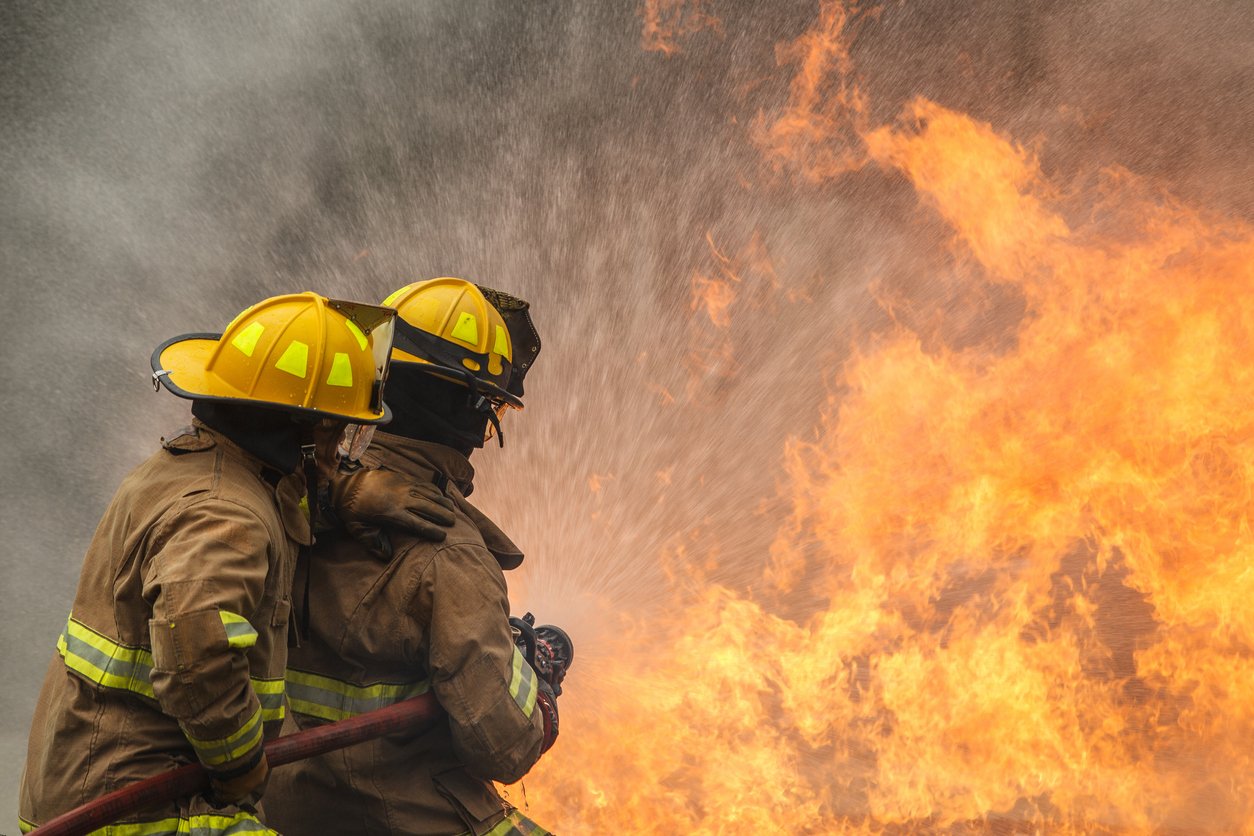
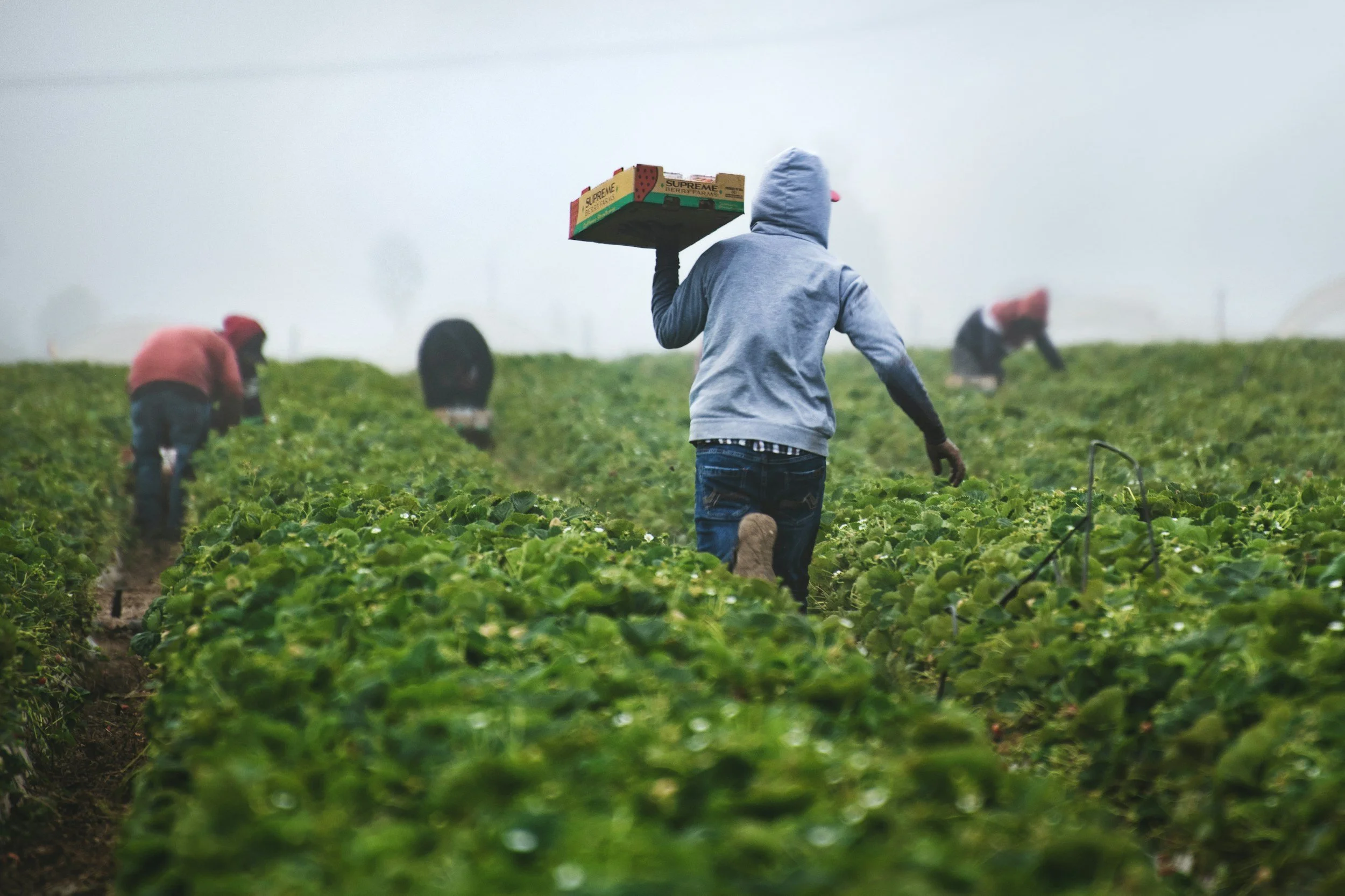
A smoke filled environment in your home or at a workplace like a casino can expose your bladder to the most well known and common carcinogen for the bladder—tobacco smoke. Toxin exposures in agriculture, printing, chemistry work, hair styling or fragrances can affect bladder health as well.
These images are all healthy people with bladder exposures that are important for them to consider in their overall health portfolio.



You already trust your heart rate, your glucose, your sleep score. But, the bladder is sending signals almost no one reads — and it's one of the clearest and most frequent messages your body sends. Bladder behavior in the “wild” is tied to metabolism, our day–night rhythm and your nervous system. At the longevity table, where conversation is laser focused on wearables and monitors, it's the empty chair. The blind spot.
Join me in inviting the bladder to pull up a seat and sit for a spell. Let’s receive the messages it sends to us—and convert them to powerful intel for our whole body health today, as all as our longevity and healthspan. Let’s unearth our body’s friendly hall monitor and get healthier, from the bottom up.