THE WHOLE BODY
YOUR BLADDER
Bladder Biometrics: The Pairings
What wearable or home monitoring data pair best with the bladder?

The bladder doesn't work in isolation, so it doesn't make much sense to decode it in isolation either. Some of the most revealing things about a person's health show up when two signals sit next to each other and turn out to tell the same story or show a pattern that changes things or provides context.
For anyone already tracking other metrics, this is where bladder data gets more powerful. And for anyone not tracking health data yet, this is a good place to start. Find out how the puzzle pieces fit together!
Your Flow Zone
·
Get Curious!
·
Your Flow Zone · Get Curious! ·
Continuous Glucose Monitoring (CGM)
Waking at night to pee, even just on occasion, can get chalked up to a sleep issue. Too often, the bladder takes the blame, but there's no sense shooting the messenger. Often, it’s not the bladder’s fault and the root causes are not complex. The amount of urine made overnight, and even the occasional awakening, reflects metabolism, fluid habits and can track with blood sugar.
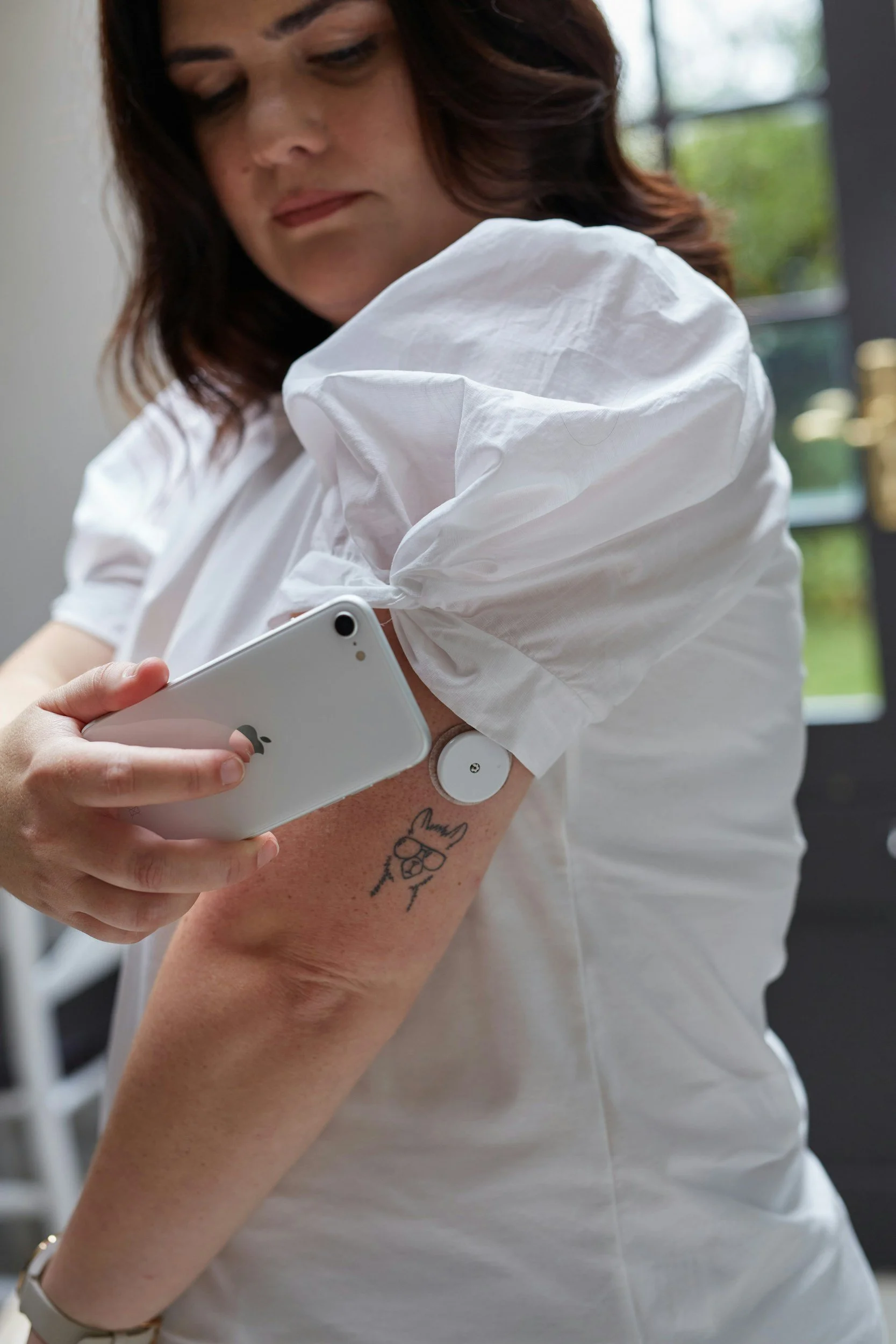
By doing bladder biometrics and CGM at the same time, you can compare overnight output with fluctuations in blood glucose. Rather than guessing, this method let’s you see side-by-side numbers in real time. Interesting and useful patterns can emerge when you do it this way. If glucose runs very low overnight, cortisol get released which can be stimulating and lead to awakenings. If you’re glucose is elevated enough over night, it might cause more urine to get produced.
For anyone curious about metabolic health, this pairing can reframe the whole question. It's also where bladder data earns its seat next to the metrics people already take seriously.
Heart Rate Variability (HRV)
HRV is a routine measurement from most wearables, and it reports on the nervous system through tiny differences in heart rate. There's a natural variation between heartbeats that can be measured, and it's individual — HRV is a person's own measurement. Some variation is normal and expected: less variation gives a lower HRV and more variation, a higher HRV. Most people sit somewhere in the middle of their own range. When HRV leans toward the lower values, the sympathetic nervous system, the adrenaline-based one, is more dominant. When it runs higher, the parasympathetic system is running the show.
So how does this connect to bladder biometrics? The bladder, the thing noticed several times a day, is under nervous-system control. The parasympathetic side, when activated, is what allows the bladder to empty. When the sympathetic side is in overdrive, it can show up as trouble emptying or mysterious disappearance of a pee sensation after you sit down to go. This is normal variation that happens to healthy people, and it's exactly why HRV earns a spot in the top three pairings.
The few days of measuring intake and output are the perfect window to watch it. Healthy people with generally normal bladders can absolutely notice urgency or frequency depending on fluid intake, an extra coffee, or a drink or two. And here's the intel living on your smart watch: sympathetic or parasympathetic excess, visible in a personal HRV reading on a wearable, can be related to random shifts in daily bladder sensation and function. Logging data and noticing these bladder sensations through an HRV lens has the potential to provide stress-related context!
Percentage of Deep Sleep
Your wearable issues a sleep score daily. This along with the percentage of deep sleep is extremely useful for pairing with bladder biometrics. Because, the bladder often gets blamed for sleep disturbances. Sometimes it's the reverse, and the bladder never even comes to mind as the culprit. Either way, the urinary tract, both kidneys and bladder, is completely enmeshed with sleep, for a couple of reasons.
First, the circadian variation in kidney output shapes what happens with the bladder and sleep overnight. In healthy people this shifts with diet, metabolism, and fluid choices, including caffeine, which can linger in the system up to twelve hours in someone on oral birth control. Second, sleep stages matter. Deep sleep is the one that buffers the brain from feeling every intestinal and bladder sensation. It quiets those signals, which is part of what makes sleep restorative. When deep sleep is scarce, the person sleeping is more likely to awaken easily due to normal bladder sensations.
In that way, the bladder sends messages about deep sleep, or the lack of it. That's why the deep-sleep number tucked inside a wearable's daily sleep score makes the list for pairing with bladder biometrics. On top of that, measuring intake and output shows how output changes from day to night. Some variation is normal, but more at night can point to an imbalance. In healthy people that might be as simple as a heavy meat dinner or a fluid choice. In others, it can surface imbalances that hint at circulation issues or sleep apnea.
Ultimately, bladder and sleep are a chicken-or-egg problem. Getting up at night, once a month or once a week, however minor, is a signal worth noticing. Measuring intake and output helps sort it out and makes the pattern visible. Sleep data, alongside bladder measures, starts to answer the real question: is the waking because the bladder is legitimately full, or is the deep sleep minimal, leaving a vulnerability to bladder sensations which would not normally disturb sleep? Left unmeasured and unpaired, the two stay tangled. Measured side by side, the pattern gets simple.