
What’s Up Down There?
Your bladder has a story to tell you.

Bladder biometrics is not a diary or a tracker. It’s for all ages and genders. The key is measurement.

A diary or tracker records bathroom trips — you went, you wrote it down and maybe guess at “how much” came out. Bladder biometrics does something distinctly different. It uses your whole fluid picture — everything in, everything out — and turns it into useful metrics such as how much your kidneys make in a day or how your fluid output might shift between daytime and night. These shifts reflect more than just hydration. They give clues about our metabolism, sleep and whole body health.
Instead of guessing, you measure the volumes. The intake and the output together are what make it biometrics instead of a log. When you add bladder intel to your biometric health portfolio and pair it with other wearable information or glucose monitoring, you can see patterns and get clues about whole body health.
Measuring lets the bladder
tell a story.
By measuring, the resulting biometric data lets your bladder tell a story, that guessing only flattens. Gaps in your intake and output can gives clues about fluid intake imbalances. While most people rely on color alone, it’s normal for urine to be yellow so that’s not the best indicator. Knowing if your output is too high or low is helpful.
If your body shifts at night and more urine is produced, that can tell you about your body’s metabolism and even your sleep quality. Pairing your bladder biometrics with CGM can allow you to see overnight fluid fluctuations along side your glucose. This can surface nutritional factors.
Identifying any of these patterns or shifts can either help you with self-directed adjustments or provide information you can take to your doctor (along with your other wearable data).
“Give your bladder a voice by measuring.”
The case for measurement.
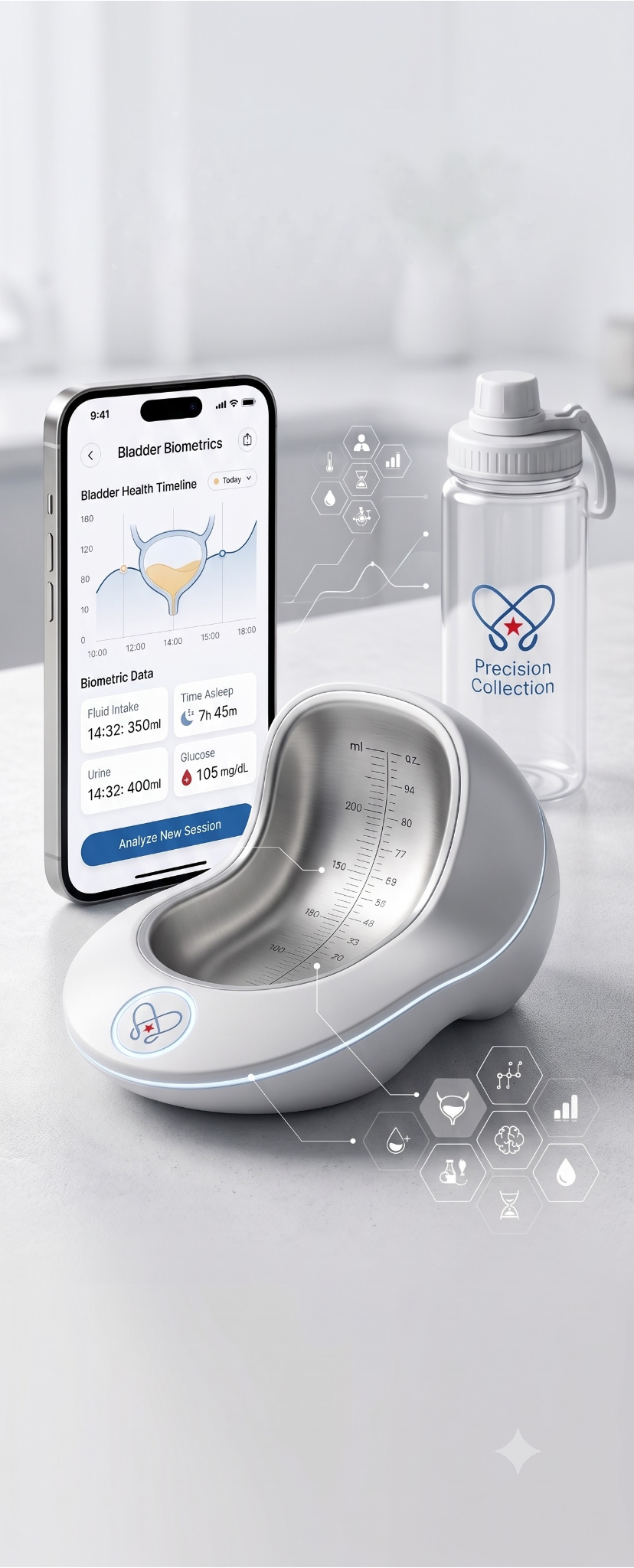
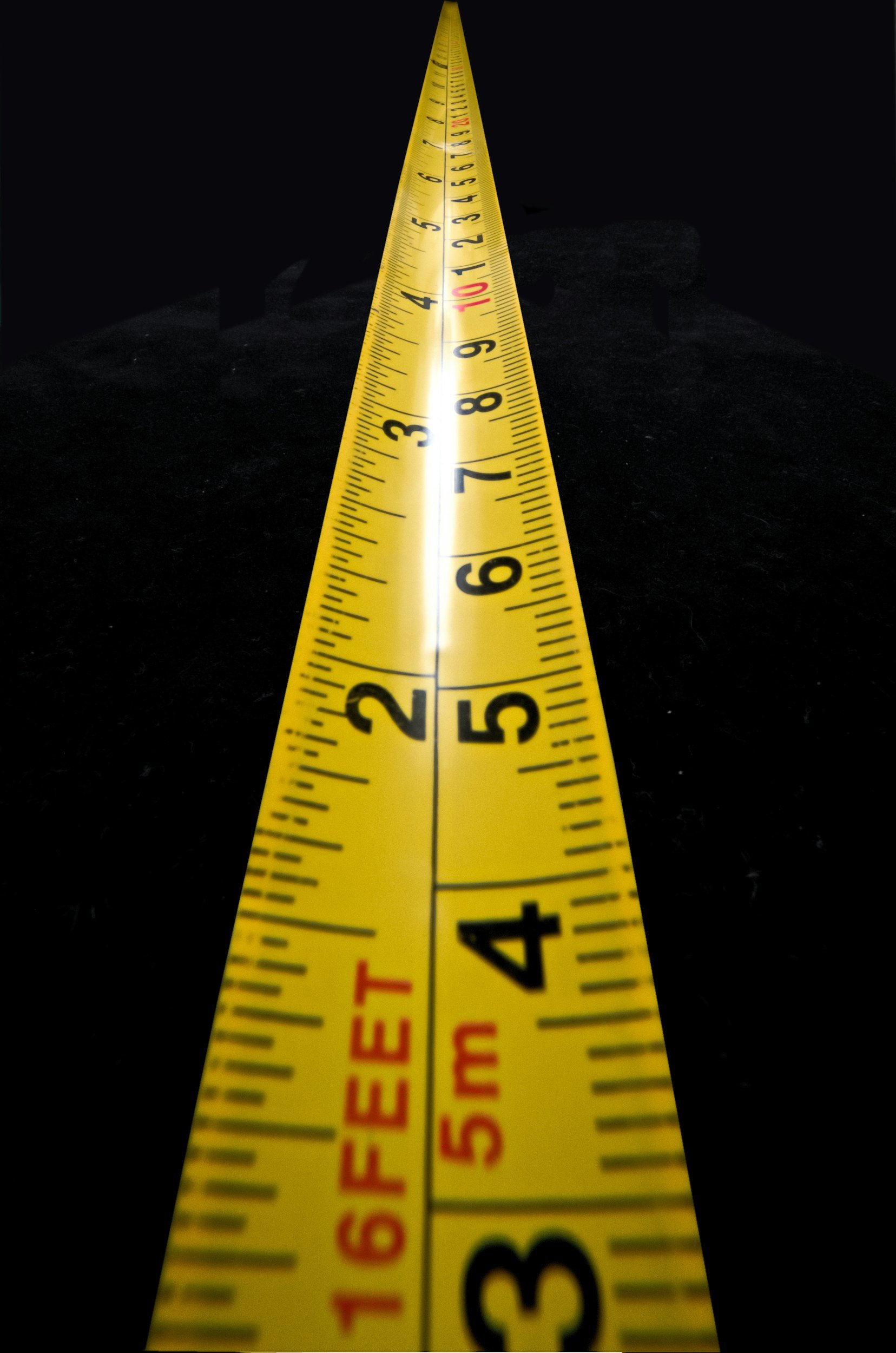
Measuring gives an honest number in a way that a feeling or guess just can’t. If we think there’s a fever, we use a thermometer. Though mom’s hand is decent, temperature measurement is still the way to go. The bladder is no different. And of all the ways to capture that number at home, a simple measuring tool is still the best one in my opinion. Even after all of my years performing advanced urology testing and reading out complex tracings, I stand by that belief.
Here’s why. A measuring tool is visual and it doesn't lie. You can literally see and actively engage with the bladder message, by reconciling it with the volume that comes out. For years people told me that it was a game changer for them. They never said that about the fancy and expensive office tests. Measuring tools are cheap and widely available with easy-to-read markings. Which means it’s cost effective and available to healthy people right now.
While no biometric is perfect, bladder information collected in this way can pay dividends because it happens inside of your world—not the lab. You get to engage with your data, not just the doctor reviewing the bladder tracings and measurements, far away from your real life.
And, the opportunity for this part of your health is not locked behind a referral for future you, when you don’t feel good anymore. It’s for right now, for optimizing today!