

Body Muscles &The Bladder
Your bladder has a support team.
Let’s Meet The Players
People think of the bladder as a solo act. But that is far from the truth! Not only is it connected to the rest of the urinary system, it sits inside a network of muscles that hold it, provide support and assist timing of bladder functions –very much like a stoplight at an intersection. Healthy people who do not have “bladder issues” benefit from this system, and understanding how it works gives them context for “off days” they might have. And everyone generally normal bladders can notice these things by tuning in, and it helps people understand their bladder and how it integrates with muscles and even stress.
When the muscle system coordinates well with the bladder, it’s business as usual. However, when it’s out of sync, the bladder is usually the first place you notice. This is where the bladder gets unfairly villainized. Like a football quarterback, the bladder has the most visibility. And when the teamwork breaks down, it’s easy to yell at the player who fumbled the ball, or in this case the pee. In reality, the fumble happened because their support system and teamwork lapsed. The bladder may seem like an island, but it’s fully integrated with your whole body and muscles are one of the star players in running the show.
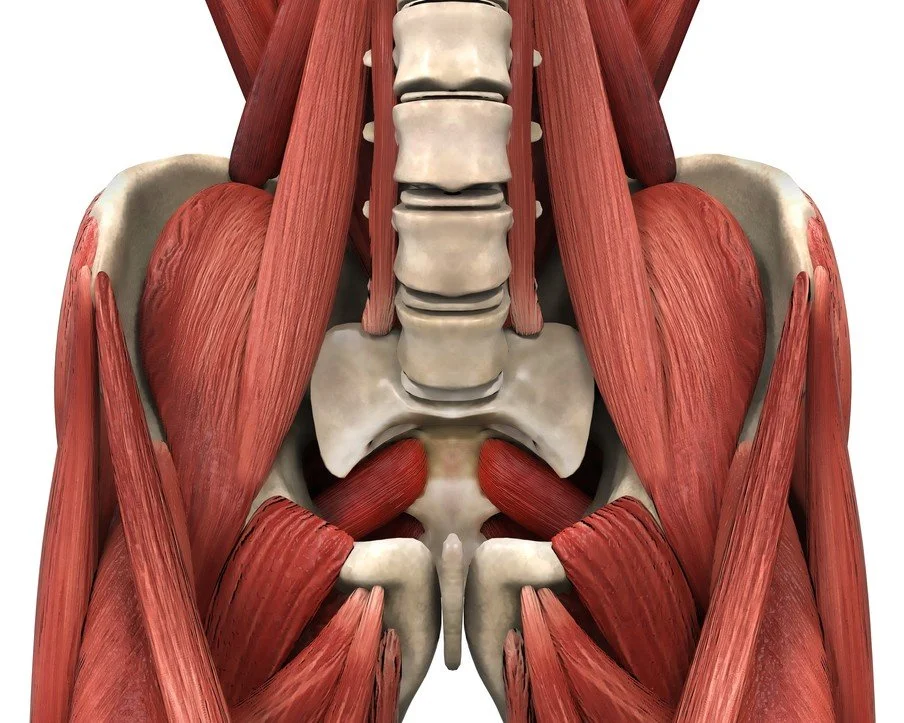
The Core
It’s not just for the beach, it’s also for your bladder. Your core is more than a six-pack people sculpt for looks. It's a container and it’s not just the front, it is the muscles that comprise your sides (like obliques) and your back. The deep muscles that wrap around your midsection create the pressure environment your bladder lives in, and they help stabilize everything your internal organs rest on.
When the core is weak or imbalanced, that pressure can shift, and it tends to go down, onto the bladder and the pelvic floor. A lot of what gets blamed on the bladder starts one level up, with how the trunk is managing load and pressure all day. You don’t need a beach body for this, just quiet strength and balanced activity amongst your muscles–this comes from activities like strength training a couple of times per week or yoga.
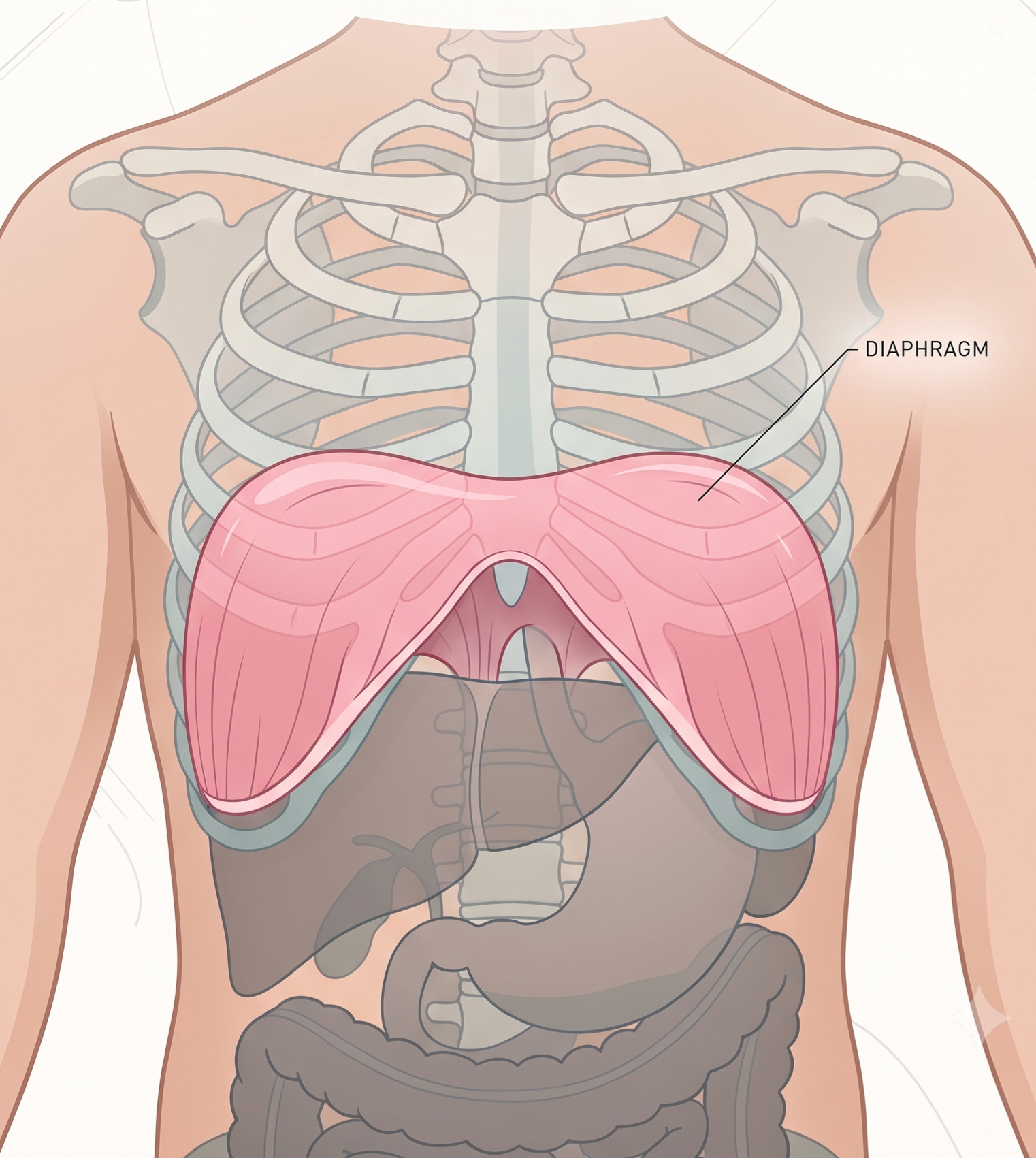
The Pelvic Floor
Everybody has one. The spotlight usually lands on women, and pregnancy earns its place there. But everyone has a pelvic floor. It supports the prostate just as it supports the vagina and rectum, and toddlers first learn to coordinate it during potty training. Filing it away as a female issue, or a nursing-home issue, leaves most people out of their own story. But everybody, regardless of age, can deal with signals related to their body muscles and might notice it as a “shy bladder” or trouble emptying under stress even if they have no bladder problems and are healthy. Noticing the presence of this muscle doesn’t mean there is a problem.
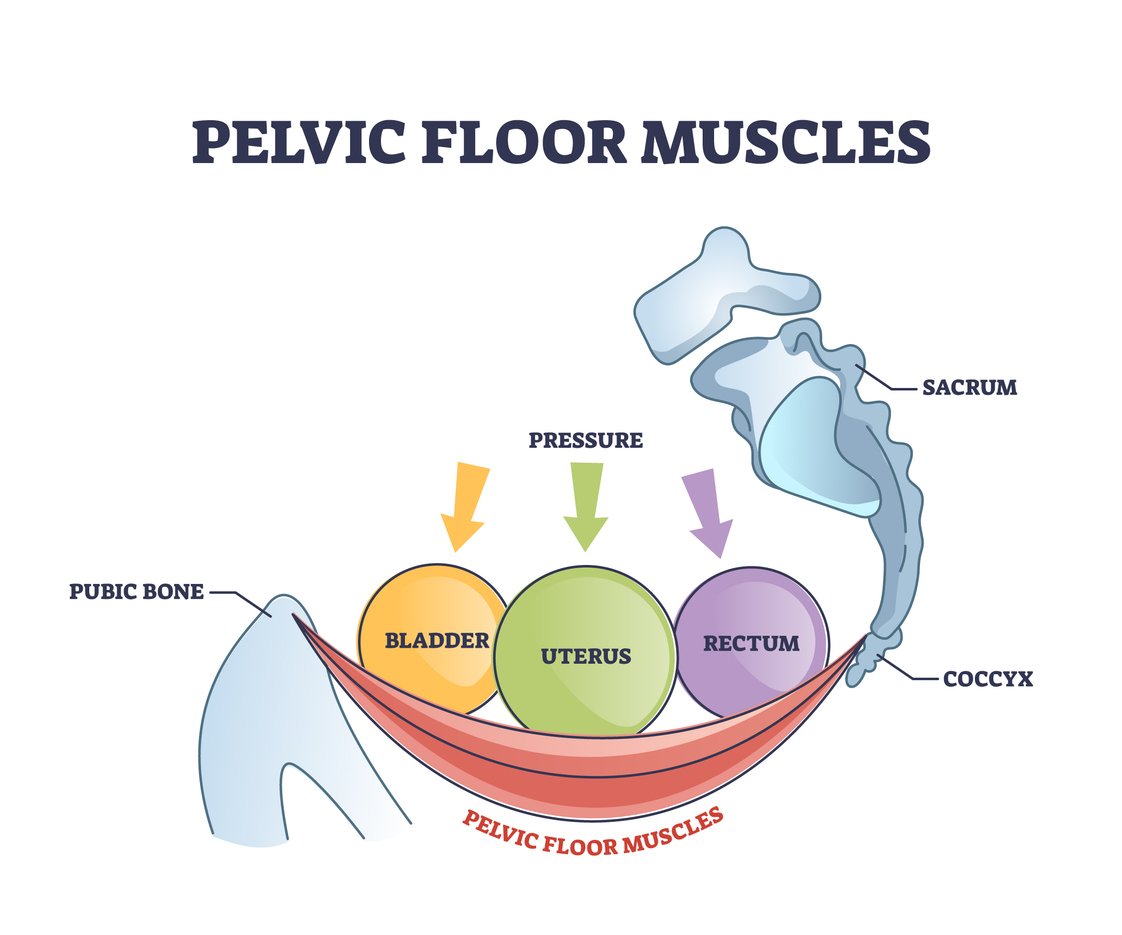
And the pelvic floor is intricate and highly sophisticated. With 14 muscles, it sits at the bottom of the body’s trunk. The pelvic floor is a hammock of muscles that support the bladder as well as the prostate, vagina and rectal canal. Pelvic muscles are a part of what holds organs in place, and a major player in controlling how easily the bladder empties and how effectively it can wait.
People with a generally healthy bladder often have a working pelvic floor. But there are tons of people with mild signals–nothing serious–where it’s just an amped up pelvic floor. This is just when muscles are a little overtightened and stress, low HRV measures and shallow breathing might be the culprit in our fast moving society. Meaning, it’s not the bladder’s fault.
Most people only hear about the pelvic floor in one context, which is “do kegels.” This assumes everyone has a floppy pelvic floor. But more often it’s just imbalanced or even tight–similar to a tight neck muscle after hunching over a screen. Kegels are a type of pelvic muscle contraction exercise, and are like doing reps at the gym. However, kegels are a very narrow and often inadequate tool for pelvic muscles where balance is key. Yes, the muscles must tighten (kegel) but they must also relax (breathing).
-
However, the most powerful effects are indirect through the diaphragm interactions with your pelvic floor muscles. In fact, certain types of breathwork (diaphragmatic or belly, box breathing) activate your parasympathetic nervous system. This helps stimulate healthy urination which is why I’m a fan of toilet meditation. I initially gave it this name jokingly, but it’s also true. Simply taking 1-4 diaphragmatic or box breaths when you sit down to pee gives a built in stress break. The breaths also help your muscle support team to enhance efficient bladder emptying for healthy people.
Breathing well isn't a wellness cliché here. It's mechanical and it’s also nervous system regulation which ties directly to your muscle and therefore, bladder function. How you breathe shapes the bladder environment and how it functions when it’s time to pee.
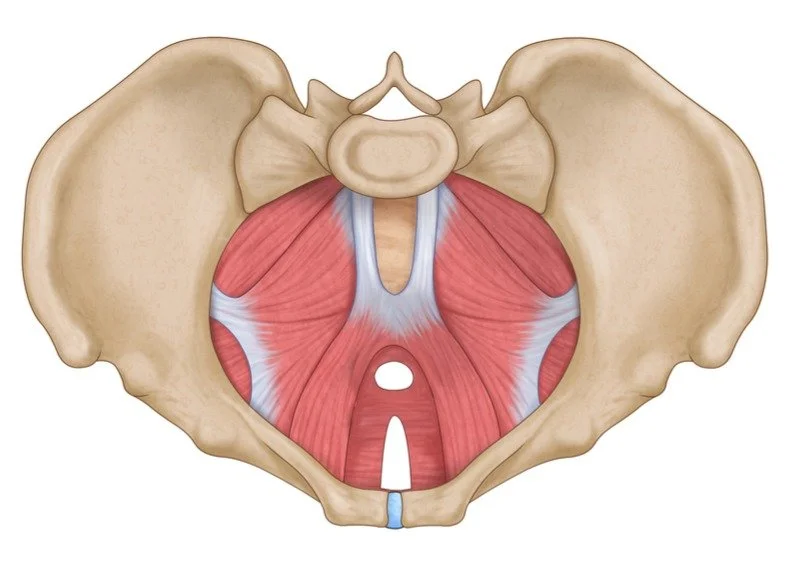
The Respiratory Diaphragm
Not only is the diaphragm the most important voluntary muscle in the entire body (because we die if it takes a break), it is critical to our pelvic floor muscle activity and bladder function. While we have control over our breathing and can use purposeful belly breathing and other techniques for nervous system regulation, it also operates like a driverless car so it can keep going when we sleep or aren’t paying attention.
The Pelvic Floor and Diaphragm Muscles
They can be colleagues or frenemies. Here's the relationship I wanted you to have last, because it reframes everything above it. This applies to everyone with these muscles. And bladder behavior shifts can show up here in people even if they are healthy without a bladder problem.
Your respiratory diaphragm and your pelvic floor are a matched pair. They work as pistons, in sync. When you inhale and the diaphragm drops, the pelvic floor gently lengthens and descends with it. When you exhale and the diaphragm lifts, the pelvic floor recoils up. They're supposed to move together, breath by breath, all day.
When that coordination is intact, the whole system is balanced and the bladder quietly works. Everything is peaceful. However, this coordination can break down. For example, when someone has a shallow breathing pattern, sucks their belly in or naturally holds it tight, wears tight or restrictive pants, clenches their glutes habitually or braces all day under stress, the two pistons stop mirroring each other. The pelvic floor loses its natural rhythm, and the bladder often becomes the loudest complaint in a system that's actually out of sync higher up.
So if your bladder acted out of step, did something unexplained or had a weird day it might not be the bladder. The bladder, messenger that it is, might be reporting on a team of muscles that fell out of step. And that might be a muscle imbalance or relate to a stressful day. Let’s get curious when we notice a bladder feeling-with this information, you’re all set to sleuth!